Campus Ideaz

Share your Ideas here. Be as descriptive as possible. Ask for feedback. If you find any interesting Idea, you can comment and encourage the person in taking it forward.

All Posts (1011)

Sort by

One of the biggest challenges in classical dance education today is ensuring continuity and quality in learning. Dance forms like Kuchipudi demand years of consistent practice, guidance, and refinement, yet the current systems often fail to support students in this journey. Online classes do exist, but most of them are unstructured video calls without a defined curriculum, progress tracking, or meaningful feedback on posture and expression—elements that are essential in Kuchipudi. Without this structure, students lose motivation and, eventually, drop out. 

I know this challenge personally. Kuchipudi has been a passion of mine for as long as I can remember, but I had to discontinue my learning due to external circumstances. Moving frequently to different places made it difficult to stay connected with one guru, and scheduling mismatches between my time and the teacher’s availability only added to the difficulty. In the end, I had to take multiple long pauses from learning—not because I lacked interest or dedication, but because the ecosystem around me was not flexible enough to support my passion.  

This is what led me to the idea of NrityaHub. The vision is to build an online platform that reimagines how Kuchipudi is taught and learned in today’s world. At its core, NrityaHub would provide a structured, step-by-step curriculum designed specifically for remote learning. It would integrate AI-based posture correction, ensuring students receive feedback similar to what they would in a traditional classroom. Progress milestones would keep learners engaged, while multilingual support would make the platform accessible to students from diverse regions. Teachers, too, would benefit by gaining digital tools to manage classes, monitor student growth, and expand their reach beyond geographic limitations. 

The primary focus of NrityaHub is to make Kuchipudi learning systematic, accessible, and sustainable. Once this foundation is established, the platform can expand further to address another critical pain point: costumes and jewellery for performances. Today, arranging these resources is highly stressful and inconsistent. By eventually integrating a professional rental system into the same app, students and parents would be able to move seamlessly from practice to performance. NrityaHub can furthermore introduce other art forms for a wider range of audience. 

The benefits are multi-dimensional. Students gain continuity and structure in their learning. Parents experience reduced stress and greater trust in the system. Teachers are empowered with tools that modernize their teaching while creating additional income opportunities. At a broader level, society benefits because more students remain committed to Kuchipudi, ensuring that this rich cultural tradition not only survives but thrives in the modern era. 

From a technical perspective, the first phase of NrityaHub would focus on developing robust e-learning modules, AI-powered posture correction, scheduling tools, and progress-tracking systems. In the second phase, rental services would be introduced, complete with real-time inventory management, doorstep delivery, and reminders tied to upcoming performances. 

For me, this project is deeply personal. Having been forced to step away from Kuchipudi due to reasons beyond my control, I know how disheartening it is to let go of something you truly love. NrityaHub is my attempt to bridge those gaps—so that no student has to abandon their passion for Kuchipudi because of logistical barriers or lack of support. By focusing first on structured learning, and then building out the performance ecosystem, we can give future generations not just the opportunity to learn this art form, but the encouragement and resources to stay with it. 

Read more…

Safe and accessible drinking water remains one of the most critical challenges in rural and underserved villages. Millions of individuals still depend on unsafe sources such as rivers, ponds, or contaminated groundwater, often resulting in serious health issues like cholera, typhoid, and diarrhea. Conventional purification systems typically rely on electricity, chemicals, or costly infrastructure, which are difficult for many rural communities to afford or maintain.

A promising solution is the adoption of Solar-Powered Water Purifiers, which function entirely off-grid and are therefore ideal for remote locations. These systems use solar panels to generate electricity that powers UV sterilization and multi-stage filtration. During the day, they operate directly from solar energy, while excess power is stored in batteries for use at night or during cloudy weather. Water passes through multiple layers: sediment filters remove dirt, UV light eliminates viruses and bacteria, and activated carbon clears harmful toxins while improving taste and odor.

This solution directly benefits villagers, schools, and healthcare facilities by providing reliable access to clean water. It also supports governments and NGOs by lowering healthcare costs and reducing dependence on bottled water, which has a significant environmental footprint.

This issue matters deeply to me because clean water is a basic human right, yet it remains out of reach for too many. By combining solar power with affordable purification technology, we can deliver a sustainable, low-cost, and lifesaving resource to those who need it most.

Read more…

Pawfect balance


One day I was looking at another dog with its owner, who seemed so careless about their pet. The dog looked unhappy, and I thought what if there was a simple way to guide owners with diets, training, and socializing? That’s when the idea for Pawfect Balance came.

PAWFECT BALANCE: Smart Training, Diet & Social Life for Pets

Idea: Pawfect Balance is a simple app and service that helps dog owners keep their pets healthy, well-trained, and happy. It gives personal diet plans, easy training guides, and now also a way for dogs to connect and socialize with other pets nearby.

Features:

  • Diet Plans: Daily food schedules with healthy homemade or packaged options.
  • Training Guides: Step-by-step lessons to reduce barking, teach tricks, or calm anxiety.
  • Health Tracking: Track weight, activity, and vet visits.
  • Expert Help: Chat with vets and trainers anytime.
  • Pet Social Connect: Find fellow dog owners nearby, plan playdates, or join group walks.

Benefits:

  • Dogs stay fit, calm, and friendly.
  • Owners save time and money with clear diets and training.
  • Pets get more exercise and fun through playdates.
  • Families enjoy a closer bond with both pets and the community.

What Changes in Daily Life: Instead of guessing how to feed, train, or socialize, owners get clear steps and a network of friends for their dogs. Pets become healthier, better behaved, and less lonely, making life at home more joyful. 

Read more…

FINatEASE

Managing monthly finances as a student can be challenging, specially when you're trying to handle multiple expenses with limited income. I've personally struggled with keeping track of my day to day spending, which often leads to me running out of money due to my own wrong decisions before the month ends. The finance apps out there now are either too complicated, don't work with UPI payments or make you enter everything manually, which is a real hastle for students who mostly use UPI or cash for everything.

My idea is to create a finance management tool that's made specifically for students by connecting it directly to UPI apps or your bank statements so it can track online payments automatically, it can also have an ai chatbox integration that is trained with your spending history to help you get more datails on how you should spend your money wisely. For people who pay with cash, the app would let them add expenses manually. This solution would show your daily spending in real time with features like comparing your average daily expenses to recommended limits, let you have a chat about the product you want to buy or not and taking help of ai in buying stuff or spending money. If someone spends more than their usual amount on any day, the app could either block or reduce how much they can spend for the rest of the month to help them avoid overspending. moreover this could be a day to day app for people other than students too for managing monthly expenses 

Major Gap In The Market:

This tool would fill a gap in what's available in the market by being easy to use, directly connected to UPI payments,AI chatbox integrations and having smart expense controls designed for students. normally, available applications are filled with too much ads, hard to add and sort the expenses  and very generic graphs and filled with none of the features useful for the current genration of payments. It would help users keep better control of their money, feel less stressed about finances and learn good money habits early.

Who benefits:

  • Students trying to manage tight monthly budgets
  • Parents who want to help their kids learn about money management
  • Universities that want to support student wellbeing

Why it matters to me:
As a student who has had trouble managing monthly expenses, I want to make something that makes tracking finances easier and helps others take control of their money, so they don't end up overspending or running out of money in the middle of the month.

Technical Details:

  • Connection with popular UPI apps to import transactions automatically
  • Option to enter cash payments manually
  • Dashboard for tracking daily expenses
  • Warnings or spending limits when someone overspends
  • Visual graphs showing spending patterns compared with how you are spending expenses
  • ai integration to manage expenses based on your spending pattern
  • you can have a quick Q&A or chat with ai to know if you should buy anything or not

13715224694?profile=RESIZE_584x

13715225269?profile=RESIZE_584x

Read more…

THE PROBLEM STATEMENT:

In most academic institutions, student performance problems are realized too late after final exams, when students have usually disengaged beyond salvage. Key early warning signs—like declining attendance, repeated course failures, dropping test scores, and late payments of fees—do exist, but lie disconnected across isolated spreadsheets and systems, with no single view for coaches or counselors.

While commercial analytics software provides predictive insights, these are expensive and require intensive maintenance and are therefore beyond the reach of public institutions. Clearly, what is needed is a transparent, easy-to-use, and affordable system that combines current datasets, uses explicit rules or machine learning models to identify students at risk early on, and provides actionable findings in an easy-to-use dashboard.

It must:

Need minimal training and simple configuration.

Empower teachers rather than substituting their judgment.

Give mentors and guardians timely warnings and notifications.

Provide proactive interventions that decrease drop-out rates without additional budget overheads.


THE SOLUTION :

This system empowers educators with data-driven insights while ensuring interventions happen before disengagement becomes irreversible.

Ingest: Automatically pull attendance, assessment, fee, and LMS data from existing spreadsheets or systems.

Fuse: Consolidate records into a central repository and compute derived features (attendance trend, grade trend, backlogs).

Flag: Apply transparent rule-based thresholds for immediate use; optionally run an ML model to refine risk probabilities.

Inform: Present students on a dashboard (heatmap / risk list) and send scheduled notifications (mentor, student, guardian).

Act: Provide counselor suggestions and an AI-assisted chatbot for first-line support, while keeping humans in the loop.

Time:  Sends timely notifications when a student’s risk exceeds safe thresholds.


TECHNICAL DETAILS:

System Architecture

  1. Data Sources

    • Attendance (RFID/Biometric logs).

    • Assessment scores (exams, assignments, internal tests).

    • LMS activity (logins, time spent on resources, discussion participation).

    • Financial records (fee payment delays, scholarship dependency).

    • Student surveys (self-reported stress, interest).

  2. Pipeline Flow

    • Data Ingestion: Automated scripts pull data from multiple spreadsheets/databases.

    • Data Fusion: Consolidates into a central repository (SQL/NoSQL DB).

    • Preprocessing: Cleaning, handling missing values, normalizing scales.

    • Risk Analysis: ML/Rule-based models generate risk scores.

    • Visualization & Alerts: Dashboard + automated email/SMS notifications.

Machine Learning Model

  • Approach 1 (Simple/Transparent):

    • Rule-based thresholds (e.g., attendance < 60%, 3 failed subjects = high risk).

    • Easy to configure, transparent to educators.

  • Approach 2 (Advanced ML):

    • Algorithms: Logistic Regression, Random Forest, Gradient Boosting, or Neural Networks.

    • Time-series models (LSTM): Capture trends in attendance/grades over time.

    • Input Features:

      • Attendance % (recent weeks/months).

      • Deviation in average grades.

      • Frequency of late/missed fee payments.

      • LMS login consistency.

      • Past history of backlogs.

  • Output:

    • Risk Score (0–100%).

    • Risk Category (Low / Medium / High).

Counseling & Intervention Engine

  • AI Chatbot (NLP):

    • Provides 24/7 support on academic, emotional, and career concerns.

    • Built on Rasa / Dialogflow / LLM fine-tuned for education.

  • Recommendation System:

    • Suggests study material, peer mentoring, stress management sessions, financial aid.

    • Uses content-based filtering (matches resources to student needs).

  • Human-in-the-loop:

    • Mentors & counselors get a dashboard of flagged students.

    • Final judgment remains with educators.

User Interfaces

  1. Student Portal:

    • Progress dashboard, motivational nudges, appointment booking, chatbot support.

  2. Teacher/Counselor Portal:

    • Heatmap of at-risk students.

    • Alerts & intervention suggestions.

  3. Parent Portal (optional):

    • Summarized student performance & alerts.

Tech Stack

  • Frontend: React.js / Angular (dashboard).

  • Backend: Django / Flask / Node.js (API layer).

  • Database: PostgreSQL (structured student data), MongoDB (behavioral logs).

  • ML Frameworks: Scikit-learn, TensorFlow, PyTorch.

  • Chatbot: Rasa / Dialogflow / LLM.

  • Cloud Hosting: AWS / GCP / Azure.

  • Notifications: Firebase Cloud Messaging, Twilio (SMS), SMTP (email).

  • Security: AES encryption, role-based access, FERPA/GDPR compliance.

Performance Metrics

  • Accuracy: % of correctly predicted drop-outs.

  • Precision & Recall: Ability to catch high-risk students without over-flagging.

  • Drop-out Reduction Rate: Before vs. after system implementation.

Engagement Rate: % of flagged students who use counseling.


Let Take an Example :

Student: Ravi, 1st-year B.Tech

  1. Data Collection:

    • Attendance dropped to 55% (from 80%).

    • Internal exams: 72% → 60% → 48%.

    • LMS: Last login was 3 weeks ago.

    • Fees: Payment delayed.

    • Survey: Reported “struggling with workload.”

  2. ML Prediction:

    • Risk Score = 87% (High Risk).

    • Category = Critical.

  3. System Response:

    • Dashboard Alert: Ravi highlighted in red for counselor & class advisor.

    • AI Chatbot Interaction:

      “Hey Ravi, we noticed you may be facing challenges. Would you like help with time management, subject tutoring, or financial counseling?”

    • Recommended Actions:

      • Academic support sessions for math.

      • Connect with peer mentor group.

      • Meeting with financial aid officer.

      • Stress counseling appointment.

  4. Follow-up:

    • After 1 month → Attendance improved to 70%, grades stabilized at 65%.

    • Risk Score reduced to 35% (Low Risk).

    • Student retained successfully


Business Model:

1.Subscription Model 

  • How it works: Institutes (schools, colleges, universities) pay a monthly/annual subscription fee to use the platform.

  • Pricing tiers:

    • Basic (Rule-based dashboard only) – for small schools with limited budgets.

    • Standard (Dashboard + Mentor Notifications + Limited ML) – mid-sized colleges.

    • Premium (Full ML + Parent Portal + AI Chatbot + Custom Reports) – universities.

  • Why it works: Institutes already pay for LMS/ERP, so a plug-and-play add-on with predictable fees is attractive..


2. Licensing Model

  • How it works: Sell the platform as an on-premise licensed product to government universities that require full data control (for compliance/privacy).

  • Revenue: One-time license fee + annual maintenance.

  • Why it works: Many government/public universities prefer not to rely on cloud SaaS.

3. Partnership / B2B2C Model

  • How it works: Partner with NGOs, EdTech companies, or state education boards. They deploy your system at scale across multiple schools/colleges.

  • Revenue: Revenue-share or per-student fee subsidized by NGOs/government funding.

  • Why it works: Helps scale impact fast without negotiating with each school individually.


Read more…

Agoranomika is a modern digital marketplace designed exclusively for trading video games and in-game accounts. Inspired by the spirit of the ancient Greek agora—a place where commerce and fairness thrived—Agoranomika combines those timeless principles with today’s gaming culture.

On this platform, users can buy, sell, or rent games and in-game accounts. Sellers set their own prices, ensuring they have full control, while buyers benefit from fair negotiations. As the platform owner, I act as a trusted mediator, recommending fair market prices to make sure both buyers and sellers are satisfied, while ensuring that deals remain efficient and transparent.

What makes Agoranomika especially appealing is that players are buying directly from other players, not from a big company. Many popular titles—like Black Myth: Wukong, Assassin’s Creed: Shadows, or Ghost of Tsushima—can be expensive on platforms like Steam. By enabling peer-to-peer selling or renting, players can save money, share access (for example, through Steam ID offline sharing), and enjoy premium games at affordable rates, while sellers also benefit from earning back value on games they already own.

To streamline transactions, Agoranomika will feature:

  • Seller posts & promotions – Users can list their games/accounts with quoted prices, while the platform highlights these posts to attract buyers.

  • Secure payment gateway – Supporting UPI, cards, and net banking, ensuring safe and trustworthy payments.

  • Fair deal mediation – A unique feature where the platform suggests fair resell, rental, or sale prices while respecting the seller’s final decision.

  • Community trust – By guaranteeing secure payments and fair mediation, Agoranomika creates a credible, gamer-first ecosystem.

The name Agoranomika perfectly reflects the vision: “Ancient Rules” symbolizes fairness, balance, and trusted trade; “Modern Trading” connects it to the digital era of gaming. This fusion of history and innovation makes the platform not just a trading site, but a modern digital agora for gamers worldwide.

Read more…

Campus Connect

Idea Name: Campus-Connect: Hyper-Local Skill & Task Exchange
1. The Real-World Problem It Solves:
The core problem Campus-Connect addresses is the friction and cost associated with completing small, immediate, and often unique tasks that fall outside the scope of traditional professional services or are too minor for established freelancing platforms.
For "Seekers" (those needing help):
Inconvenience: Trying to find someone last-minute to help move a heavy box, water plants while you're away for a weekend, or get quick tutoring for a specific exam topic.
Cost: Professional services often have minimum fees that make small tasks prohibitively expensive (e.g., hiring a handyman for a 15-minute fix).
Lack of Niche Expertise: Finding someone specifically skilled in basic guitar tuning, setting up a new Wi-Fi router, or proofreading a specific type of essay can be surprisingly hard.
Trust: Uncertainty about hiring strangers from general online marketplaces.
For "Providers" (those offering help):
Underutilized Skills/Time: Many individuals, especially students, have spare time and niche skills they're not monetizing.
Difficulty Finding Gigs: General freelancing platforms can be oversaturated and competitive for small tasks.
Flexibility: A need for extremely flexible work that fits around academic schedules or other commitments.
2. Gaps in Current Solutions/Market:
Existing solutions often miss the mark on "hyper-local" and "small-scale" needs:
Large Freelancing Platforms (e.g., Fiverr, Upwork): Geared towards larger, more defined projects. They often have higher transaction fees, more formal application processes, and aren't optimized for immediate, in-person tasks in a specific neighborhood. They lack the "I need help right now, nearby" immediacy.
General Task Platforms (e.g., TaskRabbit): While closer, they often operate in larger metropolitan areas, may still have higher pricing for simple tasks, and their user base might not be as finely granular or community-focused as a campus/neighborhood. They also might not highlight highly niche, academic-related skills.
Social Media Groups/Word-of-Mouth: While good for community, they lack structure, payment integration, vetting, and reliable discovery/search functions. They can be inefficient and less secure.
Professional Services: Too expensive and slow for minor, immediate tasks.
The core gap is a trusted, efficient, and affordable digital marketplace for micro-tasks and skill-sharing within a very confined geographic area, fostering a genuine community exchange.
3. Who Benefits:
Users (Seekers):
Convenience: Get immediate, on-demand help for a wide range of tasks.
Affordability: Access skills and services at a more reasonable price point than traditional professionals.
Trust: Benefit from community ratings and reviews, often knowing the provider is from their immediate area.
Time Savings: Quickly find solutions without extensive searching.
Users (Providers):
Flexible Income: Earn money on their own schedule, leveraging existing skills.
Skill Utilization: Put niche talents to use that might not fit into a traditional job market.
Community Engagement: Connect with neighbors and peers, build a local reputation.
Experience Building: Gain practical experience in various fields.
Community (e.g., College Campus, Local Neighborhood):
Economic Empowerment: Provides micro-economic opportunities for residents.
Stronger Bonds: Fosters mutual aid and a sense of shared responsibility.
Reduced Waste: Encourages sharing of tools and resources, rather than individual purchases.
Vibrancy: Makes the local area more self-sufficient and dynamic.
Buyers (for the business itself, if scaled):
Investors: See a scalable model that can be replicated across countless campuses and local communities.
Local Businesses: Could partner for specific deliveries or tasks, or even advertise for specific student skills.
4. Why This Problem Matters to Me:
As a student (or having been a student), I've personally experienced the frustration of needing help with small tasks that don't warrant professional fees or formal hiring. Whether it was finding someone to help assemble flat-pack furniture, needing a quick proofread on an essay, or wanting to lend out my camera equipment for a day, the options were always either expensive, inconvenient, or unreliable. This creates a disconnect where willing helpers and needy individuals struggle to find each other efficiently and affordably. I believe in the power of community and mutual support, and a platform that facilitates this while also empowering individuals financially is a solution I'm passionate about building.
5. Technical Details (Optional but Recommended for a Project):
Platform: Mobile-first approach (iOS & Android apps) with a complementary web interface for admin/larger tasks.
Core Technologies:
Backend: Node.js (with Express.js) or Python (with Django/Flask) for scalability and flexibility.
Database: PostgreSQL or MongoDB for efficient data handling.
Frontend (Mobile): React Native or Flutter for cross-platform development.
Frontend (Web): React.js, Angular, or Vue.js.
Key Features:
Location-Based Matching: GPS integration to show available providers/tasks within a user-defined radius.
User Profiles: Detailed profiles with skills listed, ratings, reviews, and verification options (e.g., campus email verification).
Task Posting/Browsing: Clear interface for posting tasks with descriptions, proposed pay, and deadlines. Ability to browse available tasks.
In-App Chat: Secure messaging between seekers and providers.
Secure Payment Gateway: Integration with Stripe or similar for escrow and commission processing.
Rating & Review System: Essential for building trust and quality control.
Notification System: Push notifications for new tasks, messages, and status updates.
Admin Dashboard: For moderation, analytics, and customer support.
Monetization Strategy: Small commission (e.g., 5-10%) on each completed transaction, taken from either the seeker, the provider, or split. Potentially premium features for providers (e.g., boosted visibility).

Read more…

The Problem:

Most of the people waste hours standing in queues at hospitals, banks, events, colleges, and government offices. Existing token systems often require users to wait on site, leading to inefficiency and frustration, and leads to feeling of wasted time.

The Gap in current solution:

Offline token systems like paper slips, display boards are outdated. Existing queue management apps are complicated to use, don’t work across different institutions and real-time updates are often inaccurate or missing and also discourage small clinics, colleges, or local offices. No single platform offers a simple, common solution that is accessible to everyone. 

The Solution:

The proposed Smart Queue Buddy app would let user take a virtual token remotely. Shows real time queue updates like 5 people ahead estimated time 15 minutes, send smart notifications like you’re 3rd in line please return now, helps institutions manage multiple counters efficiently. It also offers messages for users without smartphones and Whatsapp/SMS notification to people with smartphones.

Who does it benefit?

It is helpful to all users standing in line for hours, saves time, reduces stress and frustration, save their valuable time for another important thing. It is also helpful for organisations because it improves efficiency, manage crowd, increase customer satisfaction and also leads to safer and calmer waiting areas.

Why it matters to me?

I have personally experienced and saw a lot of people with frustration and wasted time that comes with waiting in long queues for even simple services like check up at the hospital or visit to bank for creating a bank account. I realised that if waiting could be smarter, people could spend those hours more meaningfully. Smart Queue Buddy is my way of turning this into a simple solution that saves time for everyone.

Technical details:

Smart Queue Buddy uses a backend for data storage and API to connect backend with mobile apps and database to store user tokens queue status, estimate time. User interface for receiving notifications. Admin Dashboard to mange counters and monitor queues. 

Read more…

One of the biggest challenges faced by students, professionals, and even researchers is grasping complex tasks or abstract concepts that are often difficult to visualize. Traditional teaching methods or text-based explanations are not always sufficient for everyone, as different people learn in different ways. My idea is to create an AI-powered system that can generate interactive simulations and visual interpretations of hard-to-grasp concepts, making learning more intuitive and engaging.

This tool would allow users to input a concept, problem, or task, and the AI would build a visual simulation that demonstrates how it works in practice. For example, if someone is trying to understand a complex physics principle, the AI could generate a step-by-step animated scenario showing the process in real time. Similarly, for programming or logic-based problems, it could create test cases and run through multiple probable outcomes, allowing learners to see “what happens if” situations instantly.

Why this matters: Many learners struggle not because they lack capability, but because the concepts are not communicated in a way that resonates with their learning style. By offering simulations, this tool bridges the gap between theory and practice. It provides a way for learners to experiment, imagine new cases, and test scenarios without needing advanced lab setups or prior technical expertise.

Who benefits: Students trying to understand difficult subjects, teachers who want better ways to explain concepts, professionals training in new fields, and even the general community seeking to build new skills.

Technical details: The system would leverage AI models trained on domain-specific datasets and combine them with visualization frameworks to create dynamic, interactive simulations. Over time, it could learn from user feedback to improve accuracy and adapt to individual learning preferences.

This idea addresses the real-world problem of accessibility in learning and could transform how people approach complex problems by making them more relatable, interactive, and easier to understand.

Read more…

Renew it rather than throwing it away. Even though millions of outdated petrol and diesel vehicles are not environmentally friendly, most households cannot afford to purchase a new EV or hybrid. However, sustainability and financial losses are the issues companies have to deal with due to the disposal of such assets. The solution is in transformation, not substitution.


Our Concept:

Retrofit old vehicles (cars, bikes…) by converting their existing motors to electric or hybrid systems. Then, add today’s features such as infotainment and connection, safety, and comfort. Once refurbished, the cars are sold at significant discounts — sometimes 60–70% less than a new EV or hybrid.


Why it works:

Car owners have affordable access to a new green car;

For communities: cleaner air, quieter streets, and lower carbon emissions.

For garages & service centers: Opportunities from upgrades and servicing (new revenue streams, skilled job creation);


13715222262?profile=RESIZE_584x

Why It Matters:

As a car enthusiast, I also believe that innovation should be accessible to everyone—not just the few. The upgraded cars can then be mass-produced by the established automakers, obtain safety certifications and sell through dealerships. Thus, affordability, reliability, and scalability are guaranteed.


The project also seeks to give old cars a bold second chance at life, lower the cost of green technology, and close the gap between yesterday’s machines and tomorrow’s clean mobility. We can create an equitable and sustainable future for all through our joint efforts.


Read more…


AgriLease Connect

https://images.yourstory.com/cs/2/f02aced0d86311e98e0865c1f0fe59a2/agritech-startups-1596719985661.png

The Problem: India's agriculture suffers from severe fragmentation, with 85% of farmers owning less than two hectares of land, hindering productivity. Simultaneously, a new class of urban investors and NRIs seeks to invest in high-value farming but lack the expertise and trust required to navigate the informal land-leasing market. The result is a massive gap between land-rich but cash-poor farmers and capital-rich but asset-poor investors.

The Solution: AgriLease Connect is a hybrid B2B2C marketplace that bridges this gap by offering a transparent, tech-driven platform for farmland leasing and professional farm management. We don't just facilitate leases; we formalize them.

How this platform works:
1. Farmer Onboarding (Supply): Using a community-centric, trust-building model, our "land ambassadors" who are the face of AgriLease Connect (local individuals rooted with agricultural knowledge) on the ground and will work with smallholders to formalize these land leases. Farmers receive guaranteed annual rental income, freeing them from yield uncertainty while retaining land ownership. This is supported by robust, state-specific legal contracts.
2. Investor Projects (Demand): Investors can browse and co-own managed agricultural projects (e.g., organic farms). The platform provides detailed financial projections and comprehensive risk disclosures. We offer a mix of short-term (e.g., seasonal vegetables) and long-term (e.g., fruit orchards) projects to manage cash flow and investor expectations.
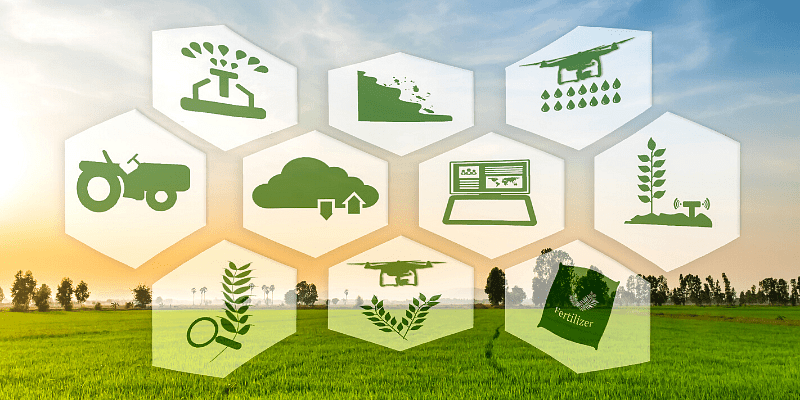
3. Hybrid Operations: We partner with trusted local Farmer Producer Organizations (FPOs) and agribusinesses for on-the-ground management. Our role is the technology layer: a dashboard for investors with real-time IoT monitoring and blockchain for transparent, secure contracts.
4. Revenue Model: Our primary revenue comes from a transaction fee on the lease value and a performance-based revenue share on the produce. Premium subscription services offer enhanced analytics, real-time drone monitoring, and export linkages for investors.


Why It Matters to Me: This idea is deeply personal. Growing up, my father's extensive fruit and vegetable export and import business taught me the critical importance of consistent, high-quality supply. I've seen it firsthand how the fragmented landholdingscan lead to inconsistent produce,that literally impacts everything from local markets to international exports.

For me, solving land fragmentation isn't just some fancy concept; it’s a direct way to streamline the agricultural supply chain and empower the farmers and businesses, like my father's, that depends on it.


Market Potential: By doing this we formalize a multi-billion-dollar market, AgriLease Connect unlocks new income streams for millions of farmers and provides a legitimate, high-return alternative asset class for investors, driving growth and efficiency in India's agricultural sector.

Read more…

Campus Carpool


The Problem

Every day, students struggle with the rising cost of transportation. Many of us either depend on expensive cabs and autos or spend extra money on fuel when driving alone. At the same time, vehicles leave campus half-empty, while classmates travel the same routes separately. This not only increases personal expenses but also adds to traffic congestion and environmental pollution. Clearly, we need a smarter, more sustainable way to commute.

The Solution

Campus Carpool is a mobile app designed exclusively for Mahindra University students. By connecting students who travel in the same direction at similar times, it makes daily commuting affordable, safe, and eco-friendly. With verified student profiles, smart ride-matching, and automatic cost-sharing, the app offers a trusted and sustainable alternative to expensive solo travel.

How It Works

Students register on the app using their official university ID to ensure safety and authenticity. Once verified, they simply enter their starting point, destination, and travel time. The app instantly suggests matches with students heading in the same direction. Costs are split fairly through built-in digital payments, and emergency contacts can be shared for added peace of mind. After the ride, users can provide feedback and ratings, building a community of trust.

Key Features

  • Route Matching: Smart suggestions for students traveling the same way.

  • Cost Sharing: Automatic digital fare split for fairness and convenience.

  • Safety First: Only University IDs are accepted, with emergency sharing options.

  • Eco-Friendly Impact: Reduces unnecessary single-passenger trips, cutting traffic and emissions.

  • Community Building: Encourages stronger connections among students.

The Model

The app is free to join for every student. A small service fee (₹5–₹10 per ride) ensures smooth platform maintenance. Premium options, such as guaranteed matches or priority ride bookings, can be offered for students who need extra convenience. In the long run, partnerships with the university can further strengthen the model while supporting the campus’s sustainability goals.

Final Pitch13715222083?profile=RESIZE_400x

Campus Carpool is not just an app—it’s a lifestyle shift. It’s about making student life simpler, cheaper, safer, and more sustainable. By transforming wasted empty seats into opportunities for savings and connection, we give students the power to drive change, one shared ride at a time.

Read more…

Agriculture has always been the backbone of our country, but in reality, many farmers struggle to sustain their livelihood due to unstable crop prices, middlemen, and climate challenges. On the other hand, people living in cities increasingly desire authentic rural experiences—spending time on farms, understanding how food is grown, and reconnecting with nature. Agri-tourism is a growing solution, but currently it is unorganized and limited to a few expensive resorts. Most farmers do not have the tools or visibility to showcase their farms and services to the public.

This is the gap my idea addresses. My concept, AgriConnect, is a digital platform designed to directly connect farmers with tourists, families, and educational institutions. It removes middlemen and makes farm experiences accessible, affordable, and transparent.

Key Features:

  • Verified farm profiles where farmers list their stay options, activities (crop harvesting, tractor/bullock cart rides, organic cooking, nature walks), and pricing.

  • Easy online booking and secure payments.

  • Special packages for schools and colleges to organize field trips, helping students learn practically about agriculture.

  • Integrated local marketplace where farmers can sell organic produce, traditional foods, and rural handicrafts directly to visitors.

  • A transparent rating and feedback system to build trust and ensure quality.

Who benefits?

  • Farmers gain a stable secondary income beyond crop sales.

  • Urban families enjoy meaningful and refreshing alternatives to city life.

  • Students get valuable exposure to agriculture and sustainability.

  • Society as a whole benefits from stronger rural-urban connections and reduced pressure on cities.

This idea matters to me because I have personally seen farmers near my hometown face financial struggles despite their hard work. AgriConnect can empower them with new opportunities while giving tourists an unforgettable cultural experience.


Read more…
E-Cell OC

Smart Lineman safety device

Problem: One of the least discussed issues in today's society is the protection of linemen—the individuals that climb up tall electric and telecommunication poles daily. We need them for electricity, internet, and communication, yet they have incredibly risky occupations. Their lives are lost far too often from falls or they succumb to sunstroke during exposure to rigorous conditions. Unfortunately, we don't witness enough products created directly for the purpose of protecting them.

Solution: That is when the idea of a Smart Lineman Safety Device came to mind. It's a simple idea that's literally lifesaving. Just picture a lightweight harness system that is indistinguishable from regular equipment except that it is integrated with intelligence-based protection. During regular use, it's a standard climbing harness. But when the lineman loses balance or falls to the ground, the system springs to action:

* The fall-arrest mechanism is automatic, and it prevents a fatal fall.

* The sensor module detects the fall or abrupt inactivity and sends automatically an alarm to the supervisor's phone along with the linemen's location.

* The lineman's vest has cooling aid and body sensors to check for heat stress. If the system recognizes that body temperature is too high, it sends out a warning vibration or message: "Take a rest, risk of heatstroke." Thus, the lineman is safeguarded from falls from heights, as from health impacts of extreme heat. Once the task is completed safely, the device is like regular equipment--light enough to be worn, wearable, and rechargeable. How it might work *Fall protection & harness: self-locking full-body harness with shock absorbers.

* Sensor module: accelerometer + gyroscope to sense falls, GPS to detect location, sensors for temperature and heart-rate to monitor health.

* Cooling system: evaporative cooling vest with pads or phase change packs to minimize heat stress.

* Communications system: micro-AI chip-based to screen out actual emergencies, and Bluetooth/GSM to issue alarms.

* Power: all-day backup rechargeable battery pack. Where all of that may sound cumbersome, these technologies actually already exist in wearable safety devices. What's new is combining them into a single affordable, field-ready solution for linemen. The rewards are enormous

* Linemen are supplied with life-saving fall protection and early heatstroke warnings.

* Families are comforted that their loved ones are under protection and care.

* Workers minimize accidents, liabilities, and expensive downtime.

* The villages also enjoy regular electricity supply and communication connections. Beneficiaries of stakeholders

* Linemen: confidence and safety on the job.

* Utilities and communication firms: reduced accidents and increased output.

* Families: peace of mind.

* Society: uninterrupted services and recognition of worker welfare.

* Government and regulators: compliance with worker-welfare policies and labor-safety regulations. But the fact is that linemen are the backbone of today's world and yet their safety is callously overlooked. Falls and sunstroke are not merely "occupational hazards" they are avoidable disasters. If we can design and implement a Smart Safety Device for Linemen, lives can be saved, families can be safeguarded, and respect can be infused into the lives of those responsible for keeping cities alive. Yes, there will be obstacles cost, rugged build, making it feasible for rural areas but isn't it worth the try? Just by having the prototype, it can inspire utilities, startups, and policymakers to adopt safer protocols. That way, we are not only giving protection equipment but giving security, respect, and assurance to some of the unsung yet indispensable workers of our world.

Read more…

DNA based personalized nutrition plans

DNA-based personalized nutrition is an emerging innovation in the health and wellness sector, offering customized diet and lifestyle plans based on an individual’s genetic makeup. This approach analyzes genetic markers to determine how a person metabolizes different nutrients, their risk of deficiencies, and even their response to exercise. While it represents the future of wellness, it comes with both advantages and disadvantages.
The primary advantage lies in personalization. Unlike generic diet charts, DNA-driven insights allow consumers to receive tailored recommendations, making them more effective and appealing. This creates strong value for health-conscious individuals and opens doors for premium pricing. The market potential is also significant, as lifestyle diseases are on the rise and people increasingly seek science-backed solutions. From a business perspective, this model supports recurring revenue through subscriptions, supplement sales, or fitness partnerships. Furthermore, as the field involves genomics and artificial intelligence, it attracts both customer curiosity and investor interest.
However, several challenges limit its adoption. The most pressing is the high cost of genetic testing, which makes it accessible only to a small, urban segment. Moreover, genetics alone cannot fully explain nutrition and health outcomes; lifestyle and environment also play key roles. This limitation may cause skepticism if results do not meet expectations. Data privacy is another major concern, as DNA information is highly sensitive and requires strict protection. Finally, regulatory uncertainty and limited awareness in developing markets add to the difficulty.
In summary, DNA-based nutrition offers exciting opportunities but requires overcoming cost, trust, and regulatory challenges to achieve wider success.

Read more…

Imagine standing outside in the scorching summer heat or the biting winter nights for more than five minutes. Sounds uncomfortable, right? Now think of the gig and delivery workers that have to endure these extremes every day to finish their jobs and earn their wages. This got me thinking if I could develop a product that would make these harsh conditions bearable.


Problem: Delivery workers do not have proper protection against harsh weathers, which decreases their efficiency.


Solution: I propose a Dual-Season PCM Jacket – a mid-weight jacket designed specifically for gig and delivery workers. The jacket uses Phase Change Materials (PCM) to regulate temperature. With simple, swappable inserts, it can provide cooling relief during summers and insulation during winters, making it usable throughout the year without needing two separate jackets.


How it Works:

Summer Mode: PCM cooling packs absorb body heat and release a cooling effect, helping workers stay comfortable even under direct sunlight.

Winter Mode: Thermal inserts or insulated layers can be swapped in, trapping body warmth and shielding workers from cold night shifts.

Ease of Use: The swappable mechanism is simple, quick, and requires no special training. Jackets can be recharged or refreshed during breaks, ensuring consistent comfort.


Why it is better than existing solutions:

Fan Jackets:

  • Use small battery-powered fans to circulate air for cooling only.
  • They are bulky and noisy, with limited battery life (2–4 hours).
  • They do not offer no protection against cold weather.

Dual-Season PCM Jacket:

  • The jackets are season-adaptive — provides both summer cooling and winter heating in the same jacket.
  • They use passive PCM technology, instead of fans, motors, and wires.
  • This is a cost-effective option as swappable PCM packs last multiple seasons and do not require electricity.


Who Benefits:

  • Delivery Workers: Safer, more comfortable working conditions that improve health, focus, and efficiency.
  • Delivery Companies: Improved worker satisfaction, reduced fatigue-related delays, and potential branding benefits by showing worker care.
  • Society: Healthier gig workers mean better service reliability, and an overall more humane work culture.


Why It Matters:
Extreme weather shouldn’t be a barrier to earning a livelihood. By giving delivery workers protective gear that adapts to the seasons, we can improve both their quality of life and their productivity.


Future Scope:
This concept can be extended to other high-exposure jobs—traffic police, construction workers, security guards—creating a larger impact on worker well-being across industries.


Technical Details:

  1. Material/Design: Lightweight, breathable, and moisture-wicking polyester blend (drifit-like), ensuring comfort during long hours of work and preventing overheating or sweating.
  2. Cooling Mode (Summer):
  • Organic PCM packs with a melting point of 28–30°C, absorbing body heat and providing a consistent cooling effect for up to 2–3 hours per insert.
  • Swappable packs fit into discreet inner pockets; can be refreshed with ice packs or cooling station breaks.
  1. Insulation Mode (Winter):
  • Thin thermal PCM or synthetic insulated layers that trap body heat without adding heaviness, and keeps wearer warm for typical 8-hour shifts.
  • Swappable in seconds using the same inner pockets, maintaining the lightweight feel.
  1. Maintenance & Recharge:
  • PCM packs are reusable and can be cooled or warmed depending on the mode.
  • Fabric is machine washable; PCM inserts can be removed before washing.
  • Packs can be recharged or swapped during breaks.


Areas of Improvement:

  • Weight: Exploring lighter materials could further reduce fatigue during long shifts.
  • Comfort: Optimizing fit, flexibility, and ventilation to enhance wearer comfort.
  • Duration Between Recharges: Extending the effective cooling or heating time of PCM inserts would reduce the need for frequent swaps and breaks, improving shift efficiency.


The Dual-Season PCM Jacket transforms how gig and delivery workers face extreme weather. This jacket is more than just apparel. It’s a performance tool. It improves health, focus, and efficiency for gig workers while staying practical, affordable, and wearable, and sets a new standard for wearable workplace innovation.

Read more…

The Hidden Problem with Chargers

In today’s hyper-connected world, the mobile phone has become a vital lifeline, yet the very device that sustains it—the charger—remains limited. Conventional chargers are passive, single-source tools entirely dependent on the electrical grid. This creates two major issues: energy wastage through “vampire power drain,” where plugged-in chargers consume electricity even when idle, and energy dependency, where phones become useless during outages, disasters, or in off-grid environments. Such dependence on an uninterrupted power supply exposes a significant vulnerability that affects both individuals and communities.

Why Current Solutions Fall Short

Current market solutions are fragmented and fail to provide a comprehensive answer. Standard wall chargers rely solely on electricity, solar power banks are bulky and treated as accessories rather than daily-use devices, and hand-crank emergency chargers are niche products. Even smart plugs that reduce standby power cannot overcome energy dependency. The absence of a unified, efficient, and sustainable solution presents a clear gap.

Nava Prabharana: Three Modes, One Device

Nava Prabharana (meaning “New Light/Charge”) addresses this gap by integrating three charging modes into one compact device. As a high-efficiency wall charger, it employs smart shutoff technology to prevent vampire drain. Its built-in photovoltaic solar panel enables passive charging, either directly to the phone or through a small internal buffer battery. For emergencies, a foldable lever connected to a gear-driven dynamo generates essential power through manual cranking.

Who Benefits and Why It Matters

This solution benefits everyday users seeking lower energy bills and reliability, outdoor travelers requiring portable resilience, and communities facing frequent blackouts. It also supports environmental responsibility by promoting renewable energy on a micro-scale. I believe technology should foster resilience rather than dependency, and Nava Prabharana embodies this principle by ensuring smartphones remain functional in all circumstances.

Read more…

Every time exams come around, the library becomes my second home. But I’ve noticed something, no matter how silent a library tries to be, there are always little distractions that break focus. Someone whispers to a friend, a chair screeches, or footsteps echo down the aisle. It doesn’t seem like much, but when you’re buried in notes and fighting to stay concentrated, those small noises can completely throw you off.

I’ve tried earplugs, but they get uncomfortable after a while. Headphones work, but wearing them for hours makes me tired, and sometimes I need to hear important announcements or group discussions. That’s when I thought what if libraries had small study pods designed to block out these background sounds without isolating you completely?

The idea is simple: foldable desk sized pods with sound absorbing panels and tiny ventilation fans to keep it comfortable. They don’t have to be big or expensive, just enough to give students a personal quiet bubble. Imagine slipping into one of these pods before an exam and knowing that, at least for the next few hours, you’ll have a focused, distraction free space.

I think this would benefit everyone, students (who finally get to study in peace), libraries (which become more effective), and even the community, because better focus often means better results.

For me, this matters because I’ve lost count of how many times I’ve wasted precious hours in the library just trying to “get back into the zone” after being distracted. If something this simple could help us study better, I believe it’s worth building.

Read more…

Heavy metal pollution in water, soil, and air is a growing problem worldwide. Quick industrialization, mining, urbanization, and agricultural runoff have increased the release of harmful metals such as lead, cadmium, arsenic, and mercury into the environment. These pollutants accumulate over time, entering food chains and cause severe risks to human health, agriculture, and ecosystems. Present problem solving depends on heavily on indices like Heavy Metal Pollution Index (HPI), Heavy Metal Evaluation Index (HEI), Contamination Factor (CF), Pollution Load Index (PLI), and Geo-accumulation Index (Igeo). The challenge is that calculating these indices mainly needs manual work using formulas, spreadsheets, or statistical software. This process is time consuming, errorless, and inaccessible to non-specialists, creating an important gap between raw laboratory data and conclusions taken from data that can be directly translated into action.

To address this, I propose ToxiTrack  , an user-friendly digital application designed to calculate, analyse, and visualize heavy metal pollution indices across water, soil, and air samples. Users can either input lab results directly or upload CSV/Excel files, and the system will automatically compute multiple indices. Beyond numbers, ToxiTrack will generate easy-to-read graphs, categorize pollution into risk levels, and produce downloadable PDF or Excel reports for sharing and record-keeping. An advanced feature will integrate GIS mapping, enabling visualization of pollution hotspots and regional trends, which can support environmental planning and policy decisions.

The people who benifit from this are researchers and students gain a faster, more reliable tool for data analysis.  Water and air quality monitoring agencies can streamline assessments and reporting.   Policymakers receive clear insights for regulatory action.  Communities in polluted regions gain awareness of risks in accessible formats.

This matters deeply to me because environmental sustainability is not abstract, it directly affects human health and community well-being. By bridging the gap between complex lab results and meaningful insights,  ToxiTrack empowers people to understand, act on, and reduce the impacts of heavy metal pollution.

Read more…

PingRoute

Tired of fighting your own internet connection rather than the enemies in games? PingRoute has just the solution for you!! This way you won't be cussed out by angry Russians in your games! 

PingRoute is kinda like a cheat code for your internet routing. Instead of messing with your IP like a VPN, it focuses purely on getting your game data to the server as fast and stable as possible. It constantly scans different routes in real time, finds the best one with the least lag, and even sends your data through multiple paths at once so you don’t get packet loss. If a path gets unstable, it instantly re-routes you to a better one, so your connection stays smooth. Basically, it’s a tunnel made just for gamers, and it helps keep ping low and gameplay steady.

PingRoute enhances online gaming performance by optimizing how data is routed between your device and the game server. Unlike a VPN, it does not encrypt traffic or alter your IP address, but instead focuses solely on improving network efficiency. The software analyzes routes in real time, selecting the most stable and fastest path while minimizing issues like congestion or packet loss. Using multipath connection technology, it can send data simultaneously across multiple routes, and if a connection becomes unstable, it seamlessly re-routes to a more reliable path. This ensures consistent, low-latency gameplay through a dedicated tunneling service designed specifically for gamers.


"Yo, I absolutely cannot stand my internet anymore. I’ll be mid-fight, about to clutch, and suddenly my character decides to teleports alllll over the place. That’s when I started using this thing called PingRoute (think of it like Gandalf but for your internet packets) (*wink wink* Lord of the Rings reference *cough cough*) It doesn’t do VPN nonsense like changing your IP—it just takes your game data, finds the least cursed route across the internet, and sends it faster than your teammate who insta-locks Jett. If one path gets clogged, boom, it switches to another like it’s speedrunning the internet. Basically, it reduces your ping so you can actually game instead of watching a PowerPoint slideshow." 
- A very happy customer (lab experiment aka my lab rat) who I totally didnt bribe with in-game skins. 

Anywho, jokes aside, this would really help gamers out a lot who struggle with lag while playing video games on the day to day basis!

Read more…
Terosaur Innovations Pvt Ltd